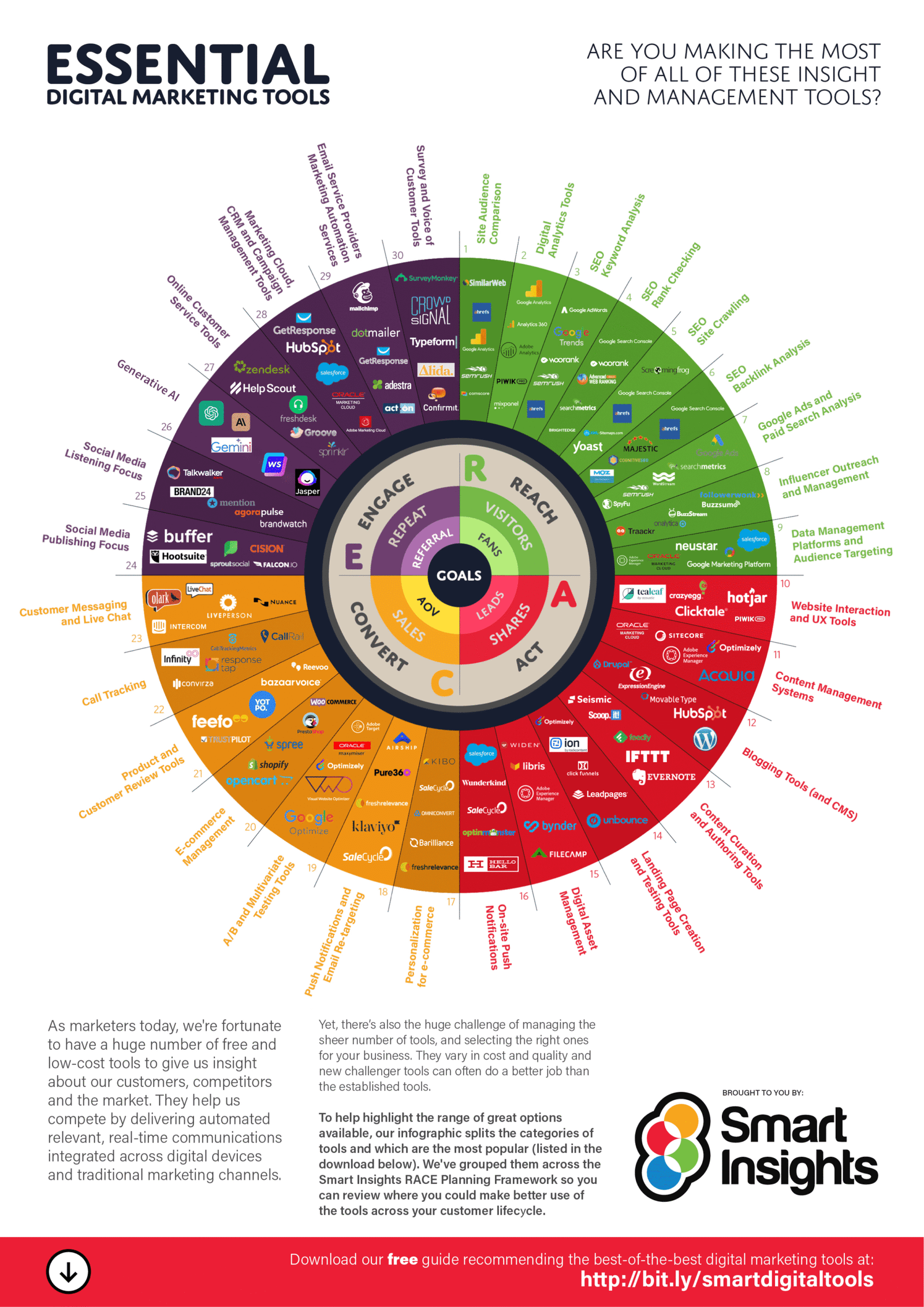
Ever wondered how some businesses effortlessly capture your attention online while others fade into the digital abyss? The secret often lies in the digital marketing tools they use.
These tools are the unsung heroes that help businesses reach you, engage you, and even predict what you might want next. They are the silent partners in crafting the perfect marketing strategy that resonates with your needs and preferences. Curious to know more?
By understanding what these tools are and how they work, you can unlock the potential to elevate your own business strategies or simply gain insight into the digital magic happening behind the scenes. Let’s dive deeper into how digital marketing tools can transform the way you connect with the online world.
Digital Marketing Tools Overview
Digital marketing tools are essential for businesses today. They help in promoting products online. These tools simplify marketing tasks. They save time and improve efficiency. Businesses can reach wider audiences using them. Here is an overview of digital marketing tools.
What Are Digital Marketing Tools?
Digital marketing tools help manage online marketing campaigns. They include software and platforms. These tools assist in analyzing data. They track customer engagement. Marketers use them for planning strategies. They enhance communication with customers.
There are many digital marketing tools available. Social media tools aid in managing posts. Email marketing tools help in sending newsletters. SEO tools improve website visibility. Analytics tools track user behavior. Each type serves a unique purpose.
Benefits Of Using Digital Marketing Tools
These tools offer many advantages. They automate repetitive tasks. This saves time for marketers. They provide insights into customer preferences. This helps in personalizing marketing efforts. Tools improve communication with the audience. This builds stronger relationships.
Popular Digital Marketing Tools
Some tools are widely used by marketers. Google Analytics tracks website traffic. Hootsuite manages social media accounts. Mailchimp sends email campaigns. SEMrush improves SEO strategies. Each tool offers specific features. They are trusted by many businesses.
Key Benefits Of Digital Tools
Digital marketing tools offer immense benefits to businesses. They streamline processes, enhance productivity, and improve marketing efficiency. Leveraging these tools can lead to better engagement and increased revenue. Understanding the key benefits can help businesses grow and succeed in the digital landscape.
1. Cost EfficiencyDigital tools often cost less than traditional marketing methods. Businesses can reach a wider audience without spending much. This makes them ideal for small companies with tight budgets.
2. Real-Time AnalyticsThese tools provide immediate feedback on campaigns. Businesses can see what works and what doesn’t. This helps in making quick adjustments to improve results.
3. Improved Customer EngagementDigital tools allow direct interaction with customers. Companies can engage with their audience through social media and emails. This leads to stronger relationships and customer loyalty.
4. Better TargetingMarketers can target specific groups using these tools. They can reach the right people at the right time. This increases the chances of conversions.
5. AutomationAutomation tools save time and reduce manual work. They handle repetitive tasks, freeing up time for strategic planning. This increases overall efficiency and productivity.
6. ScalabilityDigital tools grow with your business. They can handle increased demands as your company expands. This ensures your marketing efforts remain effective over time.
Types Of Digital Marketing Tools
Digital marketing tools help businesses promote online. They include social media, email, and SEO tools. These tools make it easier to reach and engage customers.
Digital marketing tools are essential companions in the journey of growing your online presence. Navigating the digital landscape can be overwhelming, but the right tools can streamline your efforts and amplify your results. Let’s break down the various types of digital marketing tools that can help you achieve your marketing goals efficiently. ###Seo Tools
SEO tools are your go-to resources for enhancing your website’s visibility on search engines. They help you find the right keywords, analyze your competitors, and track your website’s performance. Tools like Google Analytics, SEMrush, and Ahrefs are popular choices that can give you a competitive edge in search engine rankings. ###Content Management Systems
Content Management Systems (CMS) are platforms that enable you to create, manage, and modify content on your website without needing technical expertise. WordPress is a leading CMS that powers a significant portion of the web, offering flexibility and a range of plugins. Have you ever tried customizing your site’s design? A good CMS makes it as easy as drag and drop. ###Social Media Platforms
Social media platforms are powerful tools for engaging with your audience and building your brand. Facebook, Instagram, and LinkedIn offer opportunities to connect with different demographics. Are you using social media to its full potential, or are you just posting sporadically? Scheduled posts and targeted ads can significantly boost your engagement. ###Email Marketing Solutions
Email marketing solutions help you reach out to your audience directly, delivering personalized content right to their inbox. Platforms like Mailchimp and Constant Contact offer templates and automation features. Imagine sending a birthday discount to a customer just in time; these tools make it possible with minimal effort. ###Analytics And Reporting
Analytics and reporting tools provide insights into your marketing efforts’ effectiveness. They help track metrics such as website visits, conversion rates, and customer behavior. Google Analytics is a staple tool that offers comprehensive data, but are you leveraging it to understand your audience better? ###Pay-per-click Tools
Pay-Per-Click (PPC) tools enable you to run paid advertising campaigns on search engines and social media. Google Ads and Facebook Ads Manager are widely used for targeting specific keywords and demographics. Have you ever considered how a well-targeted ad can drive immediate traffic to your site? ###Customer Relationship Management
Customer Relationship Management (CRM) tools are designed to manage your interactions with current and potential customers. Salesforce and HubSpot are leading CRM solutions that help keep track of customer data and nurture leads. Are you using a CRM to create meaningful relationships, or are you missing out on potential opportunities? By understanding and utilizing these digital marketing tools, you can optimize your marketing strategies and grow your online presence effectively. The tools are at your disposal—are you ready to harness their power?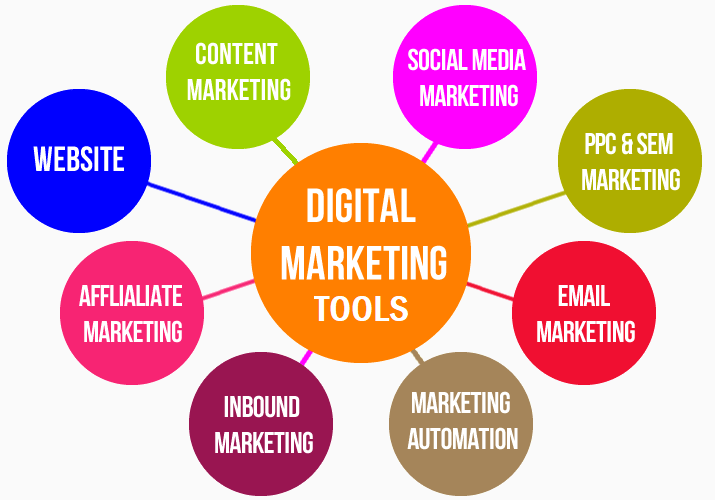
Credit: internetmarketingbusinessblog.com
Choosing The Right Tools
Digital marketing tools can transform the way businesses engage with customers. Choosing the right tools ensures you meet your goals effectively. With so many options, selecting the best fit can be daunting. Careful consideration of specific factors can guide you to make a wise decision.
Assessing Business Needs
Understanding what your business requires is crucial. Identify your marketing goals and challenges. Do you need tools for social media management or email marketing? Consider tools that offer solutions to your specific problems. Focus on features that align with your objectives. A tool that matches your business needs will enhance productivity.
Budget Considerations
Budget plays a significant role in choosing tools. Some tools offer free versions with limited features. Others come with subscription fees. Evaluate the cost versus the benefits provided. Ensure the tool fits within your financial plan without compromising quality. Compare different tools to find the most cost-effective option.
Integration And Compatibility
Integration with existing systems is essential for seamless operation. Check if the tool can work with your current software. Compatibility ensures data flows smoothly between systems. Choose tools that integrate well with your CRM or analytics platforms. This enhances efficiency and avoids technical issues.
Top Digital Marketing Tools
Digital marketing tools help businesses grow their online presence. They offer solutions for improving visibility, engagement, and sales. Different tools address various aspects of digital marketing. From SEO to social media, email marketing, and analytics, these tools are essential. Let’s explore some of the top digital marketing tools today.
Popular Seo Tools
SEO tools enhance website visibility on search engines. SEMrush is a favorite for keyword research. It offers competitor analysis too. Ahrefs is another powerful tool. It provides insights into backlinks and top pages. Moz is known for its user-friendly interface. It helps with on-page optimization and rank tracking. These tools simplify SEO tasks significantly.
Leading Social Media Platforms
Social media platforms are vital for brand awareness. Facebook and Instagram are popular choices. They offer targeted advertising options. LinkedIn is best for B2B marketing. It helps connect with professionals and companies. Twitter is effective for real-time engagement. Businesses can reach wider audiences with these platforms.
Effective Email Marketing Software
Email marketing remains a strong strategy. Mailchimp is a user-friendly option. It offers templates and automation features. Constant Contact provides tools for campaign management. It also has analytics for performance tracking. Sendinblue offers SMS marketing and email solutions. These tools help businesses maintain customer relationships.
Advanced Analytics Solutions
Analytics tools provide insights into marketing efforts. Google Analytics is widely used. It tracks website traffic and user behavior. Hotjar offers heatmaps and session recordings. It helps understand user interactions. Mixpanel focuses on product analytics. It tracks user actions and conversions. These tools support data-driven decision-making.
Implementing Digital Tools
Implementing digital tools can transform marketing strategies. They streamline processes and enhance productivity. These tools offer insights and automate tasks. Efficient use requires thoughtful setup and ongoing support.
Setting Up And Configuration
Proper setup is essential for digital tools. Begin with understanding your goals. Choose tools that align with your objectives. Configure settings to match your needs. Tailor the tools to fit your business processes. This ensures smooth integration and maximizes benefits.
Training And Support
Training is vital for effective tool use. Provide team members with comprehensive guidance. Offer hands-on sessions for better understanding. Continuous support boosts confidence and efficiency. Create a resource hub with FAQs and tutorials. This helps in resolving queries promptly.
Measuring Success
Measuring success involves tracking key metrics. Set clear benchmarks for evaluation. Use analytics tools for detailed insights. Review performance regularly to identify trends. Adjust strategies based on data-driven findings. This ensures ongoing improvement and goal achievement.
Future Of Digital Marketing Tools
The future of digital marketing tools is not just about keeping up with the competition; it’s about redefining how businesses connect with their audience. As technology evolves, so do the tools that marketers use to reach potential customers. Understanding these changes can give you a significant edge in a rapidly shifting landscape.
Emerging Trends
In recent years, personalization has taken center stage in digital marketing. Tools are becoming smarter, allowing you to tailor your message to individual preferences and behaviors. Imagine being able to send an email that speaks directly to your customer’s current needs without manually crafting each message.
Another trend is the rise of video content. With tools that make video creation easier and more affordable, even small businesses can leverage this engaging format. Have you considered how video could amplify your brand message?
Technological Advancements
Artificial intelligence and machine learning are no longer buzzwords; they’re now integral to digital marketing tools. These technologies help analyze massive datasets to predict trends and optimize campaigns efficiently. Think about how AI-driven insights could transform your marketing strategies.
Automation is another technological advancement reshaping digital marketing. Tools that automate routine tasks free up your time for strategic planning. What could you achieve if you didn’t have to handle repetitive marketing tasks manually?
Impact On Marketing Strategies
As these tools evolve, they impact how you design your marketing strategies. The ability to gather and analyze data in real-time enables more agile decision-making. This shift can lead to more effective and timely marketing initiatives.
The integration of digital tools allows for a cohesive strategy across multiple platforms. You can seamlessly engage with your audience whether they are on social media, your website, or an email campaign. How integrated is your current marketing strategy, and where is there room for improvement?
Embracing these changes is not just about using new tools; it’s about adopting a mindset open to innovation. As digital marketing tools continue to evolve, staying informed and adaptable will be key to staying ahead in the marketing game.
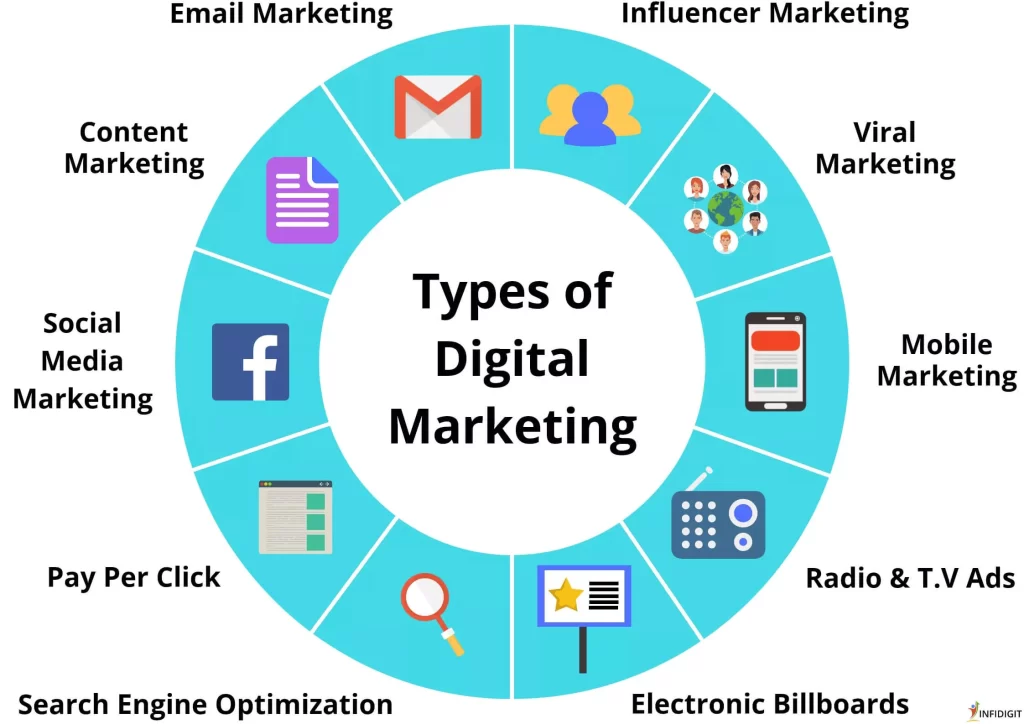
Credit: www.jaroeducation.com
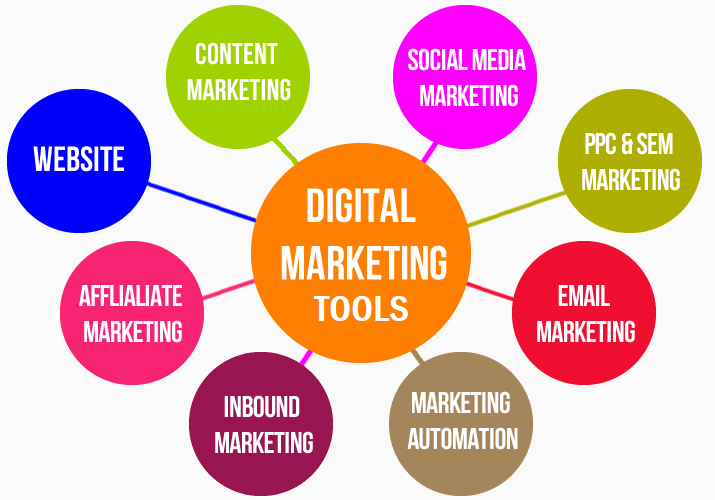
Credit: medium.com
Frequently Asked Questions
What Are Digital Marketing Tools?
Digital marketing tools help businesses promote products online. They include analytics platforms, social media management apps, and SEO tools. These tools assist in tracking performance, engaging audiences, and optimizing campaigns. They are essential for executing effective digital marketing strategies and staying competitive in the digital landscape.
How Do Digital Marketing Tools Work?
Digital marketing tools automate tasks, analyze data, and enhance online presence. They gather insights from user interactions and optimize content for better engagement. By using algorithms, they improve targeting, track performance, and facilitate communication across platforms. These tools streamline processes, helping marketers achieve their goals efficiently.
Why Use Digital Marketing Tools?
Digital marketing tools save time, improve accuracy, and boost reach. They provide insights into customer behavior, optimize campaigns, and increase engagement. Tools enable businesses to efficiently manage multiple channels and measure success. They are crucial for staying competitive in the fast-paced digital market.
What Are Examples Of Digital Marketing Tools?
Examples include Google Analytics, Hootsuite, and SEMrush. Google Analytics tracks website traffic, Hootsuite manages social media, and SEMrush aids SEO. These tools help analyze performance, schedule posts, and optimize content. They are integral to executing successful digital marketing strategies.
Conclusion
Exploring digital marketing tools can boost your online presence. These tools help manage campaigns effectively. They simplify tasks like analyzing data and tracking performance. Using them saves time and effort. They are essential for modern businesses. Start with basic tools for small businesses.
Gradually explore advanced options as your needs grow. Choose tools that fit your goals and budget. Keep learning and adapting with technology changes. Staying updated ensures success in the digital world. Remember, these tools are just aids. Your strategy and creativity drive results.
Happy marketing!
